Source Pico Laser for Acne, Hair, and Pigment Removal
Find 30 pico laser machines for salon and home use. Compare adjustable wavelengths, power output, and cooling systems from Guangzhou suppliers to select the right pigment treatment instrument for your needs.
Key considerations
Products List




Comprehensive Sourcing Guide
Strategic Sourcing Guide for Picosecond Laser Systems
Understanding the Technical Landscape of Picosecond Lasers
The procurement of pico laser equipment requires a precise understanding of the underlying technology, which distinguishes these devices from traditional nanosecond systems. The core mechanism relies on ultra-short pulse durations, specifically observed in the supplied data as 500 picoseconds (PS). This pulse width is critical for the "photoacoustic" effect, where the laser energy shatters pigment particles into fine dust rather than heating them, minimizing thermal damage to surrounding tissue. Buyers must verify that the specific unit under consideration adheres to this picosecond range, as this is the defining characteristic of the technology.
The spectral output is another fundamental technical variable. The supplied product facts indicate a multi-wavelength configuration, specifically listing 1064nm, 532nm, and 755nm. This tri-wavelength capability is essential for treating a broad spectrum of skin conditions. The 1064nm wavelength is typically used for deeper dermal pigment and hair removal, while 532nm targets superficial epidermal pigmentation. The 755nm wavelength, often associated with Alexandrite lasers, provides an optimal balance for treating darker skin tones and stubborn pigmentation. Some listings also reference an 808nm filter, suggesting a hybrid capability that may include diode laser technology for hair removal alongside the primary picosecond functions. Procurement teams should confirm the exact combination of wavelengths available in the specific model, as this dictates the clinical versatility of the machine.
Energy output and density are equally critical performance metrics. The observed data presents a range of output power specifications, with values cited as 2000W, 2500W, and 3500W. This variance suggests that different models or configurations within the pico laser category offer varying power capacities. The energy density is listed as adjustable from 50 to 2000mj, with specific single-wavelength energy ranges provided, such as 1-2000mj for 1064nm and 1-1000mj for 532nm. These adjustable parameters allow practitioners to tailor treatments to different skin types and lesion depths. Buyers must ensure that the machine's software interface allows for precise control over these energy levels, as inconsistent output can compromise treatment efficacy and patient safety.
Compliance, Certification, and Safety Standards
In the medical aesthetic industry, regulatory compliance is not merely a formality but a prerequisite for market entry and liability protection. The supplied facts explicitly mention certifications including ISO, CE, and RoHS. These are standard indicators that the device meets specific international safety and environmental requirements. CE marking indicates conformity with health, safety, and environmental protection standards for products sold within the European Economic Area. RoHS compliance ensures that the device does not contain hazardous substances like lead or mercury. ISO certification, potentially referencing ISO 13485 for medical device quality management, suggests a structured approach to manufacturing and risk management.
However, buyers must exercise caution regarding the specific interpretation of these certifications. While the data lists "ISO CE RoHS," it does not specify the exact ISO standard number or the scope of the CE certification for the specific model. It is the responsibility of the procurement team to request the actual certification documents from the supplier to verify that the specific unit model matches the certified design. The absence of a specific standard number in the general data does not negate the presence of certifications but necessitates a verification step. Furthermore, the product standard dimensions listed in the data (e.g., 10353120 cm, 9961119 cm) serve as physical specifications rather than regulatory standards. Buyers should not confuse physical dimensions with compliance standards.
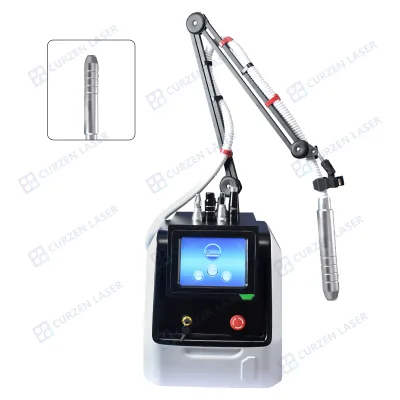
Safety features are also integral to the technical design. The data mentions an "Internal Water Circulation + Fans Cooling + Outs" system. Effective cooling is vital for picosecond lasers, as high repetition rates and high energy densities generate significant heat. The cooling system must be robust enough to maintain the laser crystal and diode temperatures within safe operating limits to prevent performance degradation or hardware failure. Additionally, the presence of a "Red Semiconductor Aiming Light" is a standard safety feature that allows the operator to visualize the treatment spot before the laser fires, ensuring precise targeting and minimizing accidental exposure to non-target areas.
Cost Drivers and Pricing Dynamics
The pricing landscape for pico laser systems is influenced by a complex interplay of technical specifications, build quality, and included accessories. The observed price range in the market data spans from 339 to 7200 USD. This wide disparity indicates that the category encompasses both entry-level units and high-end professional systems. The lower end of the spectrum may correspond to basic models with limited features, while the upper end likely reflects systems with higher power outputs, advanced cooling mechanisms, and comprehensive warranty packages.
Several specific factors drive these costs. First, the output power is a significant cost driver. Models listed with 3500W output power are likely priced higher than those with 2000W or 2500W, assuming comparable build quality. Second, the number of shots the laser head can sustain is a critical longevity factor. The data cites a shot count of 50,000,000, which is a premium feature indicating a high-durability laser rod or diode. Machines with higher shot counts generally command a higher price due to the extended lifespan and reduced long-term replacement costs. Third, the cooling system complexity affects pricing. Systems with advanced internal water circulation combined with fan cooling and external options represent a more complex engineering solution than simple air-cooled units, thereby increasing the manufacturing cost.
Packaging and portability also influence the final price. The data lists various packaging types, including "Aluminum Case," "Aluminum Box," and "Air Case." Air cases are typically more expensive due to their superior protection against impact and environmental factors, making them essential for mobile practitioners or international shipping. The inclusion of a high-resolution touch screen, with options ranging from 8 to 15 inches, adds to the cost. A 10.4-inch touch screen is noted as a standard feature in some models, providing an intuitive user interface that reduces training time for new operators. Buyers should evaluate whether the premium for a larger screen or a specific packaging type aligns with their operational needs.
Typical Applications and Clinical Versatility
Picosecond laser systems are designed for a wide array of dermatological applications, making them a versatile investment for clinics and salons. The primary applications observed in the product data include acne treatment, hair removal, and pigment removal. The pigment removal capability is the hallmark of picosecond technology, effective for treating melasma, sun spots, freckles, and tattoo removal. The multi-wavelength capability (1064nm, 532nm, 755nm) allows for targeted treatment of different pigment depths and colors. For instance, the 1064nm wavelength is particularly effective for black and blue tattoos, while the 532nm wavelength targets red and orange pigments.
Hair removal is another significant application, facilitated by the inclusion of 808nm and 755nm wavelengths in some configurations. These wavelengths target the melanin in the hair follicle, inhibiting growth. The adjustable frequency, ranging from 1 to 10Hz, allows for treatment of large areas quickly or precise treatment of smaller areas, depending on the clinical requirement. The spot diameter, adjustable from 2mm to 10mm, further enhances versatility, enabling the practitioner to treat both small, localized lesions and larger body areas efficiently.
The intended application environments are listed as "Salon" and "Home," suggesting that these devices are marketed for both professional clinical use and potentially for home-based aesthetic services. However, the high power outputs and complex cooling systems indicate that these are primarily professional-grade devices. The "Type" is explicitly defined as "Pigment Treatment Instrument" and "Laser Beauty Equipment," reinforcing their role in aesthetic medicine. Buyers should ensure that the specific model's application profile matches their business model, whether it is a high-volume clinic requiring rapid turnover or a specialized aesthetic center focusing on complex pigment correction.
Supplier Evaluation and Quality Control Protocols
Selecting the right supplier is as critical as selecting the right machine. The data indicates that the products originate from Guangzhou, China, a major hub for medical aesthetic equipment manufacturing. While this location offers access to a robust supply chain, it also necessitates rigorous supplier vetting. Buyers should evaluate suppliers based on their ability to provide valid certification documents, their manufacturing capacity, and their after-sales support structure. The warranty period is a key indicator of supplier confidence; the data mentions a "One Year" warranty, which is a standard baseline. Buyers should negotiate for extended warranty periods or comprehensive service packages that include on-site training and maintenance.
Quality control should be a central part of the procurement process. Buyers must verify that the production process adheres to the claimed standards. The "ISO CE RoHS" certifications should be backed by third-party audit reports. Additionally, the consistency of the laser output is paramount. Buyers should request test reports or sample data demonstrating the stability of the energy output across the full range of adjustable frequencies and energy densities. The "50,000,000 shots" claim should be supported by independent testing or a clear explanation of the testing methodology used to determine this lifespan.
The physical build quality is another area of focus. The use of aluminum cases and boxes suggests a focus on durability, but the internal components must also be of high quality. The cooling system, described as "Internal Water Circulation + Fans Cooling + Outs," should be tested for reliability and noise levels. A malfunctioning cooling system can lead to immediate shutdowns and potential damage to the laser head. Buyers should inspect the machine's construction, checking for secure fittings, high-quality cabling, and robust housing materials. The touch screen interface should be responsive and intuitive, reducing the risk of operator error during treatment.
Long-Term Procurement and Operational Considerations
Long-term success with pico laser equipment depends on more than just the initial purchase price. Buyers must consider the total cost of ownership, which includes maintenance, consumables, and potential downtime. The cooling system is a critical component that requires regular maintenance. Water-cooled systems, in particular, need periodic water changes and filter replacements to prevent scaling and bacterial growth. Buyers should inquire about the availability and cost of replacement parts, such as cooling filters, laser rods, and diode modules. The high shot count of 50,000,000 is a significant asset, but the cost of replacing the laser head after this limit is reached should be factored into the financial planning.
Training and support are also essential for long-term viability. The complex nature of picosecond lasers requires skilled operators. Buyers should ensure that the supplier provides comprehensive training programs, including hands-on sessions and detailed operation manuals. The presence of a large touch screen (8/10/15 Inch) facilitates user-friendly operation, but proper training is still necessary to maximize the machine's potential and ensure patient safety. Some suppliers may offer remote support or telemedicine capabilities, which can be valuable for troubleshooting technical issues without the need for an on-site visit.
Finally, the adaptability of the machine to future market trends is an important consideration. The adjustable spot diameter and frequency allow for treatment protocols to evolve as new techniques are developed. The multi-wavelength capability ensures that the machine remains relevant as treatment preferences shift. Buyers should also consider the portability of the unit. While some models are described as "Portable," others are listed as "Non Portable." The choice between a portable unit in an aluminum case and a stationary unit depends on the business model. Mobile practitioners require a robust, transportable system, while fixed clinics may prioritize larger, more powerful units with advanced cooling systems. By carefully evaluating these long-term factors, buyers can ensure a sustainable and profitable investment in pico laser technology.
FAQs
What wavelengths does the pico laser machine support?
The machine supports 1064nm, 532nm, and 755nm wavelengths for versatile pigment and hair removal. Some models also include an 808nm filter for enhanced diode capabilities. This multi-wavelength configuration allows treatment of various skin tones and lesion depths effectively.
How adjustable is the energy output on these devices?
Energy density is adjustable from 50 to 2000mj with specific ranges like 1-2000mj for 1064nm. Frequency settings can be tuned between 1 and 10Hz to suit different treatment speeds. These adjustable parameters ensure precise control for diverse clinical needs.
Which cooling system protects the laser during operation?
The device utilizes an internal water circulation system combined with fan cooling and external options. This robust setup manages heat generated by high power outputs like 2500W or 3500W. Effective cooling prevents hardware failure and maintains consistent laser performance.
Can the spot size be customized for different treatments?
Yes, the spot diameter is adjustable, typically ranging from 2mm to 10mm depending on the model. Some specifications list a range of 1mm to 10mm for maximum flexibility. This adjustability allows practitioners to target both small lesions and large body areas efficiently.
What certifications do these pico laser machines hold?
The machines carry ISO, CE, and RoHS certifications indicating compliance with international safety standards. These documents verify that the device meets health and environmental requirements for global markets. Buyers should request specific certification documents to confirm the exact model status.
How many shots can the laser head sustain?
The laser head is rated for up to 50,000,000 shots, ensuring long-term durability. This high shot count reduces the need for frequent component replacements. It is a key indicator of the machine's lifespan and value for high-volume clinics.
What packaging options are available for shipping?
Products are packed in aluminum cases, aluminum boxes, or air cases for protection. Air cases offer superior impact resistance suitable for international transport. The choice of packaging depends on whether the unit is intended for stationary salon use or mobile applications.